ONE News
Who Gets Our Vote? Exploring LGBTQ+ Voting Behaviours in the North East
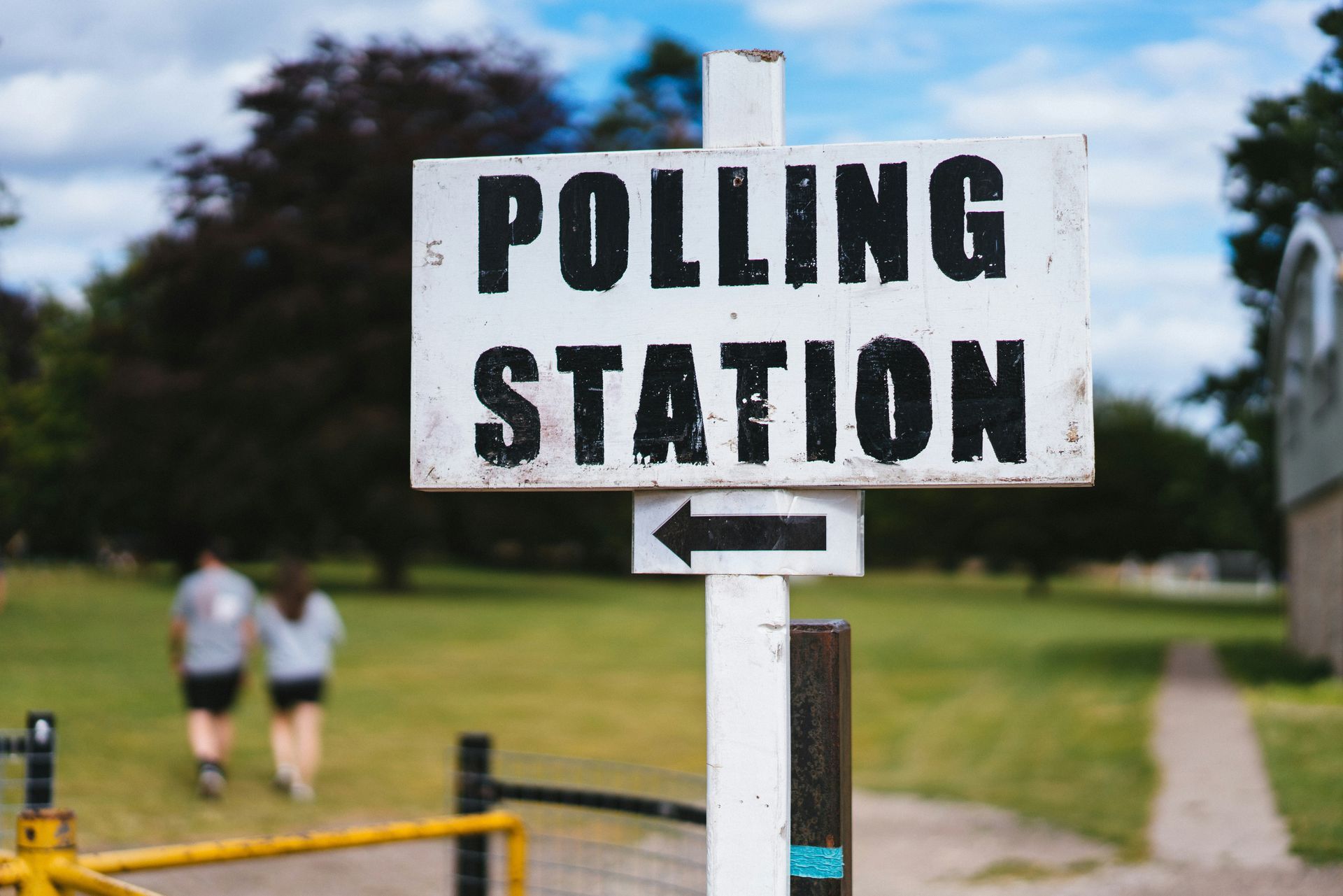
How do LGBTQ+ people decide who gets their vote? It is a question that becomes increasingly important as political debates around LGBTQ+ lives, equality and rights continue to develop across the UK. OUT North East is beginning a new research project exploring LGBTQ+ voting behaviours, political participation and attitudes towards politics, with a particular focus on the experiences and voices of LGBTQ+ people in the North East.
The project is not about supporting or opposing any political party or encouraging people to vote in a particular way. Instead, we want to understand how LGBTQ+ people engage with politics, what influences their decisions at the ballot box, whether they feel represented by the political system and how their voting behaviours may be changing.
LGBTQ+ people are not one voting bloc:
There can sometimes be an assumption that LGBTQ+ people share broadly similar political views, but the reality is much more complicated. Our communities include people of different ages, social classes, religions, genders and sexual orientations, as well as people living in cities, towns, villages and rural communities. LGBTQ+ people have different occupations, incomes, families, experiences and priorities, and our political opinions can therefore be just as diverse.
Our research starts from a simple principle: we should not assume how LGBTQ+ people vote; we should ask them. We want the project to provide space for a wide range of political opinions and experiences, including perspectives that may challenge assumptions about LGBTQ+ communities and politics.
What do we want to understand?
The project will explore much more than simply which political parties people support, looking instead at people's wider relationships with politics and political participation. We want to know whether LGBTQ+ people consider themselves political, whether they feel comfortable discussing how they vote with friends, family or other LGBTQ+ people, whether their political views have changed over time and whether they have ever decided not to vote at all.
We will also explore voting behaviour across different types of elections, including general elections, local elections and mayoral elections, as people's choices may differ depending on the election taking place. Importantly, we want to understand not only how people vote, but why they make those choices and what issues ultimately influence their decisions.
For some people, LGBTQ+ rights may be an important consideration when deciding how to vote. For others, issues such as the cost of living, housing, employment, immigration, the NHS, public services, education, crime, taxation or the environment may be more influential. People may also balance several competing priorities when making their decision, and understanding this complexity will be central to our research.
When politics becomes personal:
Political debate can have a very direct relationship with people's everyday lives, particularly when questions about LGBTQ+ equality, transgender rights, education, hate crime, healthcare and discrimination become subjects of national and local political debate. We want to understand how LGBTQ+ people experience these debates and whether they believe politicians and political institutions understand the issues affecting their lives and communities.
The research will explore whether LGBTQ+ people feel listened to by politicians, whether they feel represented by political parties and how important LGBTQ+ issues are when they decide how to vote. At the same time, we recognise that someone's political priorities are rarely determined by a single part of their identity, so we want participants to tell us what actually matters to them rather than beginning with assumptions about what should matter.
We are also interested in what happens when someone's political beliefs differ from those of their LGBTQ+ friends, family members or wider community. LGBTQ+ communities are politically diverse, and we want to understand whether people feel comfortable being open about their voting behaviours and political beliefs, or whether there are views they feel unable to discuss openly.
Understanding changing voting behaviours:
Voting behaviour is not necessarily fixed, and people's political choices can change considerably throughout their lives. Someone might vote for one political party in a general election and another in a local or mayoral election, while someone who supported one party for many years might decide to change their vote, vote tactically, support an independent candidate or abstain altogether.
Our research will therefore explore people's previous voting behaviours alongside their current voting intentions, with a particular interest in understanding why changes take place. Rather than making assumptions about why someone has changed their vote, we want LGBTQ+ people themselves to explain the experiences, events, policies and priorities that have influenced their decisions.
How will the research work?
The first stage of the project will involve a survey exploring LGBTQ+ people's experiences of politics, elections and voting. Alongside questions about voting and political participation, we will collect demographic information so that we can explore whether experiences and behaviours differ across age groups, genders, sexual orientations, religions and social backgrounds.
People completing the survey will also have the opportunity to express an interest in taking part in a more detailed interview. These interviews will allow us to go beyond the statistics and explore some of the stories, experiences and motivations behind people's political choices in greater depth.
We also plan to invite people to contribute short video responses or 'vox pops', providing another way for LGBTQ+ people to tell us what matters to them politically and why. Participation in the research will be voluntary, and our focus will always be on understanding people's experiences rather than judging their political choices.
Turning research into evidence:
Once the research is complete, OUT North East will analyse the findings and produce an accessible research report examining LGBTQ+ voting behaviours, political attitudes and political participation. We want this research to provide useful evidence about a part of LGBTQ+ life that is often discussed but not always properly understood.
We intend for the findings to be useful beyond our own organisation and will seek to share the research with relevant decision-makers and organisations, including MPs, local authorities, elected mayors, Police and Crime Commissioners, researchers and organisations working with LGBTQ+ communities. By doing this, we hope to provide decision-makers with stronger evidence about the political priorities, concerns and experiences of LGBTQ+ people.
We also want to develop a methodology that can be repeated in the future, allowing us to examine whether LGBTQ+ political attitudes and voting behaviours change over time. There is also potential for the approach to be replicated elsewhere, providing opportunities to compare experiences in the North East with LGBTQ+ communities in other parts of the country.
We want to hear from our communities:
For this research to be meaningful, we need to hear from people with a wide range of political perspectives. That includes people who vote regularly, people who occasionally vote and people who never vote, as well as those who strongly support a political party and those who feel that none of the available political choices represent them.
We equally want to hear from people whose LGBTQ+ identity strongly influences their political choices and those who do not consider it particularly important when deciding how to vote. There are no 'correct' political opinions that we are looking for, and hearing different, competing and sometimes conflicting perspectives will make the research stronger.
Ultimately, this project asks a bigger question than simply "Who do LGBTQ+ people vote for?" We want to understand why we vote the way we do, what influences our decisions, whether we feel politically represented, and what changing voting behaviours can tell us about LGBTQ+ life in the North East today.
Over the coming months, OUT North East will be sharing more information about the research and how LGBTQ+ people can take part. Whatever your politics and whatever your relationship with voting, we want to hear your perspective.